Shopping Cart
Coenzyme Q10 – elixir of energy and youth
Categories :
Articles
Coenzyme Q10, also known as ubiquinone, is a substance that has fascinated scientists, doctors and healthy lifestyle enthusiasts for years. Although it is mainly associated with anti-ageing cosmetics, its role in the body is much more complex and versatile. In this article we will take a closer look at the properties of coenzyme Q10, its applications and interesting facts that will make you look at this substance in a completely new light.
What is coenzyme Q10?
Coenzyme Q10 is an organic chemical compound that occurs naturally in every cell of the human body, animals and even plants. Its highest concentration is found in the mitochondria – the “power plants” of the cells – where it plays a key role in the production of energy in the form of adenosine triphosphate (ATP). ATP is the basic energy carrier, without which our organs, such as the heart, muscles or brain, could not function properly. The name “ubiquinone” comes from the Latin word ubique, meaning “everywhere”, which perfectly reflects its ubiquity in the body. Coenzyme Q10 is a vitamin-like substance, which means that the body synthesises it on its own, but with age (after the age of 35) its production decreases. It can also be supplied with the diet or supplements.
Properties of coenzyme Q10 – why is it so important?
Coenzyme Q10 performs two main functions in the body: it supports energy production and acts as a powerful antioxidant. Here are its key properties:
- Cellular energy production: Coenzyme Q10 is essential in the process of electron transport in the respiratory chain in the mitochondria. Without it, cells would not be able to efficiently produce energy, which particularly affects organs with high energy demand, such as the heart, liver or skeletal muscles.
- Antioxidant action: As one of the most important antioxidants, coenzyme Q10 (in its reduced form – ubiquinol) neutralises free radicals, protecting cells from oxidative stress. It helps prevent damage to lipids, proteins and DNA, which slows down ageing processes and reduces the risk of diseases such as atherosclerosis or cancer.
- Support for the cardiovascular system: Coenzyme Q10 supports heart function, improves circulation and may lower blood pressure in people with hypertension. It is particularly recommended for patients with heart failure, as it increases the performance of the heart muscle and reduces symptoms such as shortness of breath.
- Effect on fertility: Studies have shown that coenzyme Q10 improves sperm quality in men (increases their motility by up to 50%) and supports the maturation of egg cells in women, which may increase the chances of pregnancy, especially after the age of 35.
- Skin protection: In cosmetics, coenzyme Q10 is valued for its anti-ageing properties. It protects the skin from damage caused by UV radiation, supports the production of collagen and hyaluronic acid, and also reduces wrinkles and improves skin elasticity.
- Support for athletes: Coenzyme Q10 increases physical performance, reduces muscle fatigue and accelerates recovery after intense exercise. Studies show that supplementation at a dose of 30–300 mg may improve aerobic capacity and reduce markers of muscle damage.
- Reduction of migraines: Coenzyme Q10 may reduce the frequency and intensity of migraine attacks, especially in people with mitochondrial deficiencies, by improving mitochondrial function and regulating blood flow.
- Support for gum health: Applied topically (e.g. in toothpastes), coenzyme Q10 supports gum regeneration and reduces inflammation, helping to fight periodontal diseases such as periodontitis.
Interesting facts about coenzyme Q10
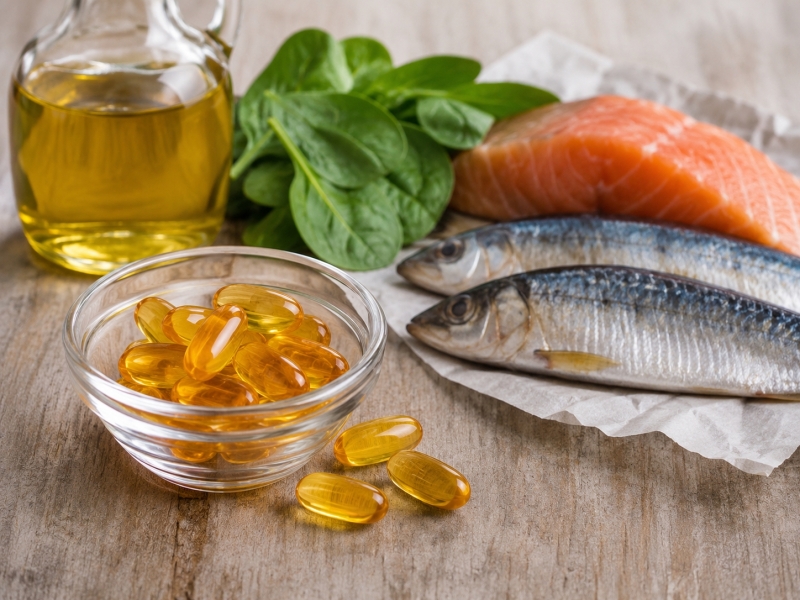
- Reindeer meat – the record holder in Q10 content: Although coenzyme Q10 is found in many food products, such as fatty fish (mackerel, sardines), offal, spinach or vegetable oils, reindeer meat is one of the richest sources of this substance. If you have the opportunity to try this Scandinavian delicacy, your body will gain a solid dose of ubiquinone.
- Coenzyme Q10 and statins: People taking statins (cholesterol-lowering drugs) often have coenzyme Q10 deficiencies because these drugs inhibit its synthesis in the body. Q10 supplementation may help reduce the side effects of statins, such as muscle pain or fatigue.
- Cosmetic revolution: Coenzyme Q10 is not only an ingredient of supplements, but also a star of cosmetics. Its ability to regenerate vitamin E (another powerful antioxidant) makes it an ideal addition to anti-wrinkle creams. After 12 weeks of use, a clear improvement in skin smoothness and elasticity can be noticed.
- Ubiquitous, but difficult to absorb: Coenzyme Q10 is fat-soluble, which means that it is best taken with a meal containing fats (e.g. olive oil or avocado). Interestingly, modern supplements, such as liposomal Q10 or preparations with the addition of piperine, significantly increase its bioavailability.
- Historical discovery: Coenzyme Q10 was discovered in 1957 by the American scientist Frederick L. Crane, who isolated it from the mitochondria of bovine heart. His research opened the door to understanding the role of Q10 in cellular bioenergetics.
- Elixir of youth? Coenzyme Q10 is sometimes called the “elixir of youth” because its antioxidant properties slow down ageing at the cellular level. Interestingly, research suggests that it may also support the therapy of neurodegenerative diseases such as Alzheimer’s or Parkinson’s, although studies are still ongoing to confirm these effects.
Sources of coenzyme Q10 – where to find it?
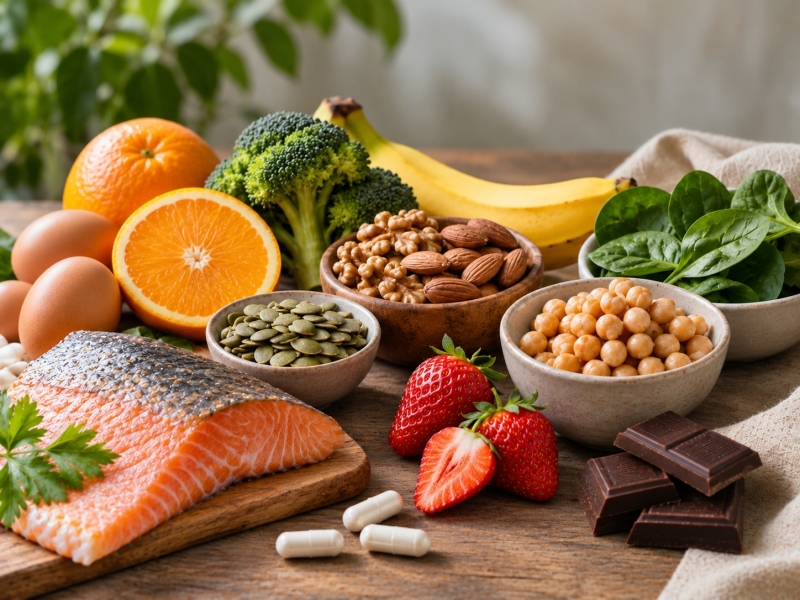
The body synthesises coenzyme Q10, but its production decreases with age, intense physical exertion, diseases or the use of certain medications. It can be supplied with food, although the content in products is relatively low and decreases during heat treatment. The richest sources are:
- Meat and fish: beef, pork, offal (e.g. liver), mackerel, sardines, salmon.
- Vegetables: spinach, broccoli, cauliflower.
- Fruits: blackcurrant, strawberries, oranges.
- Oils and nuts: rapeseed oil, nuts, seeds.
- Dairy and grain products: yoghurt, whole grain products.
Supplementation is often a more effective way to make up for deficiencies, especially in the case of older people, athletes or patients with chronic diseases.
When and how to supplement coenzyme Q10?
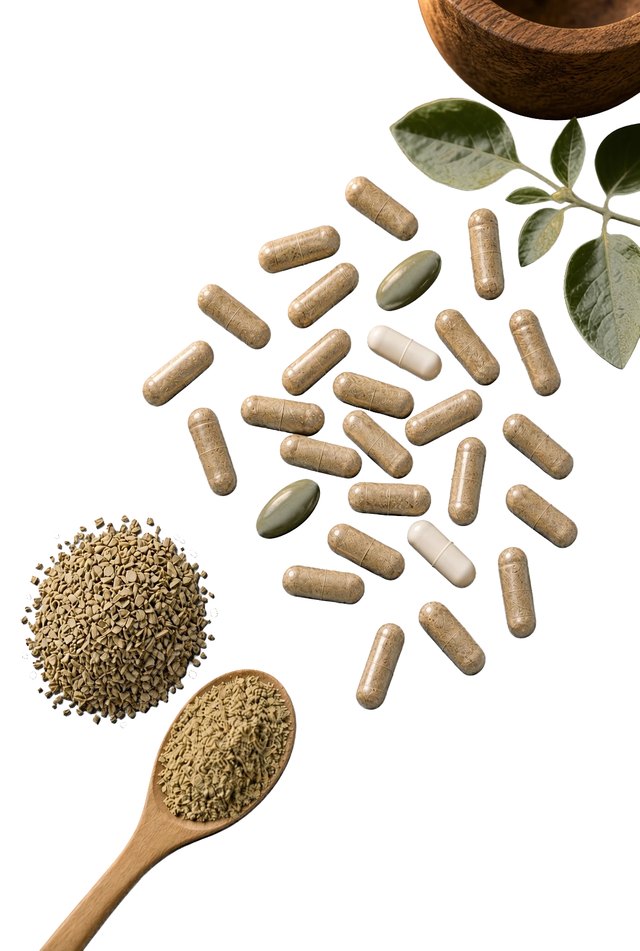
Supplements with coenzyme Q10 are available in various forms: capsules, tablets, drops or gels. The standard dose is 30–200 mg per day, although in the case of heart disease or intense physical exercise it may be higher (up to 300 mg), always after consultation with a doctor.
Tips for supplementation:
- Take Q10 with a meal rich in fats to improve absorption.
- Avoid taking on an empty stomach to minimise the risk of nausea.
- Supplementation should last a minimum of 4–12 weeks for the effects to be noticeable.
Contraindications: Coenzyme Q10 is safe for most people, but people with low blood pressure, pregnant or breastfeeding women and people taking anticoagulant drugs should consult supplementation with a doctor.
Why does coenzyme Q10 stand out?
Coenzyme Q10 is a true multitasker in the world of health and beauty. Its uniqueness lies in combining the energy role with antioxidant protection, which makes it indispensable in the fight against ageing processes, heart disease or fatigue. Moreover, its versatility – from supplements to cosmetics – means that everyone can find a use for it. Whether in the form of a capsule supporting the heart or a cream rejuvenating the skin, coenzyme Q10 is an ingredient that deserves the title of “elixir of youth”.
Coenzyme Q10 is much more than just an ingredient of anti-wrinkle cosmetics. It is a key element of cellular health that supports the heart, muscles, nervous and immune systems. Its antioxidant and energetic properties make it indispensable in health prevention and improving quality of life. If you want to add energy to your cells and slow down the ageing processes, coenzyme Q10 may be your ally. Remember, however, to consult a doctor before starting supplementation, especially if you are taking medication or have health problems.
Bibliography
- Bentinger, M., Brismar, K., & Dallner, G. (2007). "The antioxidant role of coenzyme Q." Mitochondrion, 7, S41–S50.
- Bhagavan, H. N., & Chopra, R. K. (2006). "Coenzyme Q10: Absorption, tissue uptake, metabolism and pharmacokinetics." Free Radical Research, 40(5), 445–453.
- Crane, F. L. (2001). "Biochemical functions of coenzyme Q10." Journal of the American College of Nutrition, 20(6), 591–598.
- Examine.com. (2023). "Coenzyme Q10: Overview, benefits, and side effects." Accessed: https://examine.com/supplements/coenzyme-q10/
- Gao, L., Mao, Q., Cao, J., et al. (2012). "Effects of coenzyme Q10 on vascular endothelial function in humans: A meta-analysis of randomized controlled trials." Atherosclerosis, 221(2), 311–316.
- Knott, A., Achterberg, V., Smuda, C., et al. (2015). "Topical treatment with coenzyme Q10‐containing formulas improves skin's Q10 level and provides antioxidative effects." BioFactors, 41(6), 383–390.
- Littarru, G. P., & Tiano, L. (2010). "Clinical aspects of coenzyme Q10: An update." Nutrition, 26(3), 250–254.
- Mayo Clinic. (2023). "Coenzyme Q10: Can it prevent or treat heart disease?" Accessed: https://www.mayoclinic.org/drugs-supplements-coenzyme-q10/art-20362602
- Mortensen, S. A., Rosenfeldt, F., Kumar, A., et al. (2014). "The effect of coenzyme Q10 on morbidity and mortality in chronic heart failure: Results from Q-SYMBIO: A randomized double-blind trial." JACC: Heart Failure, 2(6), 641–649.
- National Institutes of Health (NIH), Office of Dietary Supplements. (2022). "Coenzyme Q10: Fact sheet for health professionals." Accessed: https://ods.od.nih.gov/factsheets/CoenzymeQ10-HealthProfessional/
- Natural Medicines Database. (2023). "Coenzyme Q10: Professional monograph." Accessed: https://naturalmedicines.therapeuticresearch.com/
- Rosenfeldt, F. L., Haas, S. J., Krum, H., et al. (2007). "Coenzyme Q10 in the treatment of hypertension: A meta-analysis of the clinical trials." Journal of Human Hypertension, 21(4), 297–306.
- Safarinejad, M. R. (2009). "Efficacy of coenzyme Q10 on semen parameters, sperm function, and reproductive hormones in infertile men." Journal of Urology, 182(1), 237–248.
- Sinatra, S. T. (2011). "The Coenzyme Q10 Phenomenon." Alternative Medicine Review, 16(2), 100–104.
- WebMD. (2023). "Coenzyme Q10: Uses, side effects, interactions, and warnings." Accessed: https://www.webmd.com/vitamins/ai/ingredientmono-938/coenzyme-q10
Share this content