Shopping Cart
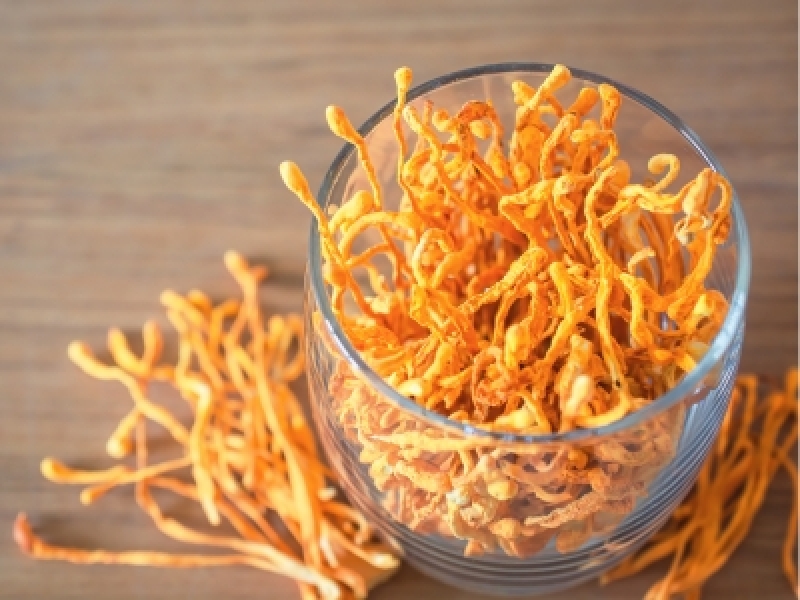
Cordyceps – the mysterious fungus with extraordinary properties: health and energy
Categories :
Articles
Cordyceps, also known as the "caterpillar fungus" or "Himalayan gold", is one of the most intriguing gifts of nature, which has been used for centuries in traditional Chinese and Tibetan medicine. This extraordinary fungus, growing in extreme high-mountain conditions, is gaining increasing popularity in the West thanks to its potential health benefits. In this article, we will explore the properties of cordyceps, its uses, and curiosities that will make this fungus your new object of fascination.
What is Cordyceps?
Cordyceps is a genus of parasitic fungi, of which the best-known species is Cordyceps sinensis (currently classified as Ophiocordyceps sinensis). Its extraordinary story begins in nature, where it parasitizes insect larvae, such as caterpillars, transforming them into a kind of "fungal zombie". Although it sounds like the plot of a science fiction movie, it is precisely this unique biology that makes cordyceps so valuable. Nowadays, cordyceps is cultivated under controlled conditions (e.g., on plant substrates), which makes it more accessible and ethical to use.
This fungus is rich in bioactive compounds such as cordycepin, polysaccharides, beta-glucans, sterols, and amino acids, which are responsible for its health-promoting effects. In traditional Eastern medicine, cordyceps was used as a tonic for longevity, improving energy, and strengthening immunity.
Properties of Cordyceps – why is it so unique?
Cordyceps is a true treasure of nature, whose properties are confirmed by both traditional medicine and modern scientific research. Here are its most important benefits:
- Increasing energy and physical performance: Cordyceps is known for improving the production of ATP (adenosine triphosphate), the primary source of energy in cells. Studies have shown that cordyceps supplementation can increase aerobic capacity by as much as 7–11%, making it popular among athletes and physically active people.
- Support for the immune system: The polysaccharides and beta-glucans contained in cordyceps act immunomodulatorily, strengthening the body's immunity. This fungus stimulates the production of NK cells (natural killers), which fight infections and cancer cells.
- Anti-aging and antioxidant effects: Cordyceps contains strong antioxidants such as cordycepin and superoxide dismutase (SOD), which neutralize free radicals, protecting cells from damage and slowing down aging processes.
- Support for lung and respiratory system health: In traditional medicine, cordyceps was used in the treatment of lung diseases such as asthma or chronic obstructive pulmonary disease (COPD). Studies suggest that it improves oxygen flow and may alleviate symptoms of shortness of breath.
- Improvement of sexual function and fertility: Cordyceps is considered a natural aphrodisiac. In men, it may increase testosterone levels and improve semen quality (sperm motility increases by as much as 30%), and in women, it supports hormonal balance. In China, it is called "Himalayan Viagra".
- Regulation of blood sugar levels: Cordyceps may improve insulin sensitivity and regulate glucose levels, making it a potential support for people with type 2 diabetes or insulin resistance.
- Support for heart health: Studies indicate that cordyceps may lower "bad" cholesterol (LDL) levels, reduce blood pressure, and improve blood flow, which supports the cardiovascular system and reduces the risk of heart disease.
- Anticancer effects: Cordycepin, one of the key components of cordyceps, exhibits properties that inhibit the development of certain types of cancer cells (e.g., lung or breast cancer) by inducing apoptosis (programmed cell death).
Sources of Cordyceps – how to obtain it?
Natural Cordyceps grows in the high parts of the Himalayas, but its collection is expensive and unethical due to the impact on the ecosystem. Nowadays, most supplements are based on cultivated Cordyceps militaris, which has similar properties but is more accessible and sustainable. Cordyceps is available in various forms:
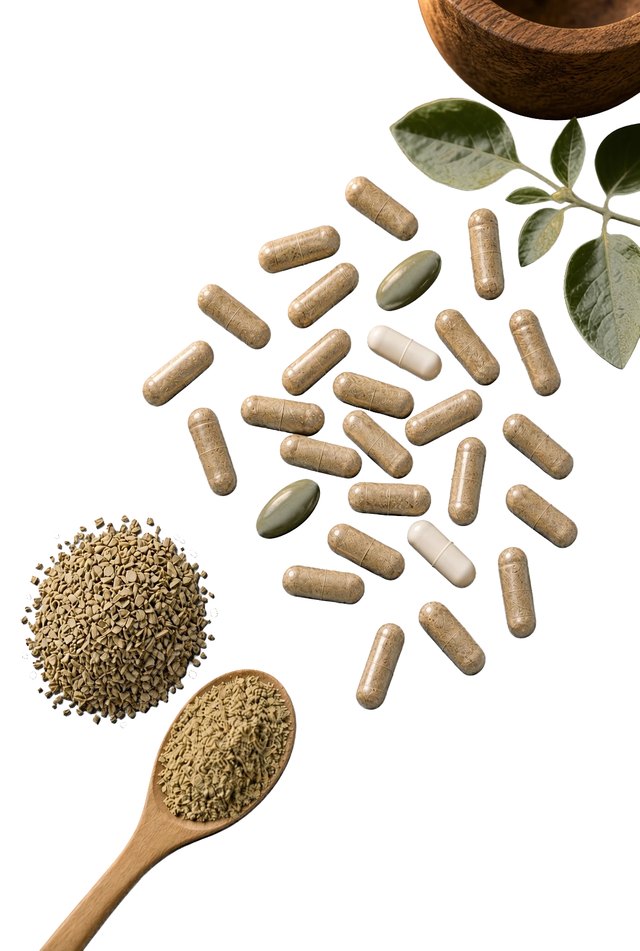
- Capsules and tablets: The most popular form of supplementation, containing mushroom extract.
- Powder: Ideal for adding to smoothies, coffee, or tea.
- Tinctures: Liquid extracts with high bioavailability.
- Teas and infusions: In Asia, infusions from dried cordyceps are popular.
A diet rich in cordyceps is difficult to achieve because this fungus does not occur in everyday food products, therefore supplementation is the most effective way.
How to use Cordyceps?
The recommended dose of cordyceps depends on the form and purpose of supplementation, but is usually 1–3 g per day (of extract in powder or capsules). Athletes may use higher doses (up to 6 g) during periods of intensive training, always after consulting a doctor.
Tips for supplementation:
- Take cordyceps in the morning or before training to maximize its energizing effect.
- Combine with a meal to improve absorption.
- Avoid using it in the evening if you have sleep problems, as it may have a stimulating effect.
Contraindications: Cordyceps is safe for most people, but people with autoimmune diseases, those taking immunosuppressive drugs, or pregnant women should consult a doctor about supplementation.
Cordyceps is not just a fungus, but a true phenomenon of nature that combines the tradition of the East with modern science. Its ability to increase energy, support immunity, and slow down aging makes it unique among other supplements. From the Himalayan peaks to scientific laboratories, cordyceps inspires researchers, athletes, and health enthusiasts around the world. Its fascinating biology and versatile action make it one of the most extraordinary gifts of nature.
Cordyceps is much more than just a "trendy" supplement – it is a fungus with documented health properties that supports energy, immunity, fertility, and heart health. Its unique history, from its parasitic nature to contemporary uses in sports and cosmetics, makes it one of the most fascinating ingredients of natural medicine. If you are looking for a way to improve vitality and protect against oxidative stress, cordyceps may be your ally. However, remember to choose products from reputable manufacturers and consult supplementation with a doctor, especially in the case of chronic diseases. Did you know that cordyceps inspired the creators of games and films? Or maybe you have already included it in your daily routine? Share your experiences and discover the power of Himalayan gold!
Bibliography
- Chen, S., Li, Z., & Ji, C. (2010). "Effect of Cordyceps sinensis on exercise performance in healthy older subjects: A double-blind, placebo-controlled trial." Journal of Alternative and Complementary Medicine, 16(5), 585–590.
- Examine.com. (2023). "Cordyceps: Overview, benefits, and side effects." Available at: https://examine.com/supplements/cordyceps/
- Holliday, J., & Cleaver, M. (2008). "Medicinal value of the caterpillar fungi species of the genus Cordyceps (Fr.) Link (Ascomycetes). A review." International Journal of Medicinal Mushrooms, 10(3), 219–234.
- Ko, K. M., & Leung, H. Y. (2007). "Enhancement of ATP generation capacity, antioxidant activity and immunomodulatory activities by Chinese Yang and Yin tonifying herbs." Chinese Medicine, 2, 3.
- Lo, H. C., Hsieh, C., Lin, F. Y., & Hsu, T. H. (2013). "A systematic review of the mysterious caterpillar fungus Ophiocordyceps sinensis in DongChongXiaCao and related products." Journal of Food and Drug Analysis, 21(4), 425–434.
- Memorial Sloan Kettering Cancer Center. (2022). "Cordyceps." Available at: https://www.mskcc.org/cancer-care/integrative-medicine/herbs/cordyceps
- Natural Medicines Database. (2023). "Cordyceps: Professional monograph." Available at: https://naturalmedicines.therapeuticresearch.com/
- Panda, A. K., & Swain, K. C. (2011). "Traditional uses and medicinal potential of Cordyceps sinensis." International Journal of Research in Phytochemistry and Pharmacology, 1(2), 23–27.
- Tuli, H. S., Sandhu, S. S., & Sharma, A. K. (2014). "Pharmacological and therapeutic potential of Cordyceps with special reference to Cordycepin." 3 Biotech, 4(1), 1–12.
- WebMD. (2023). "Cordyceps: Uses, side effects, interactions, and warnings." Available at: https://www.webmd.com/vitamins/ai/ingredientmono-602/cordyceps
- Zhu, J. S., Halpern, G. M., & Jones, K. (1998). "The scientific rediscovery of an ancient Chinese herbal medicine: Cordyceps sinensis." Journal of Alternative and Complementary Medicine, 4(3), 289–303.
Share this content